

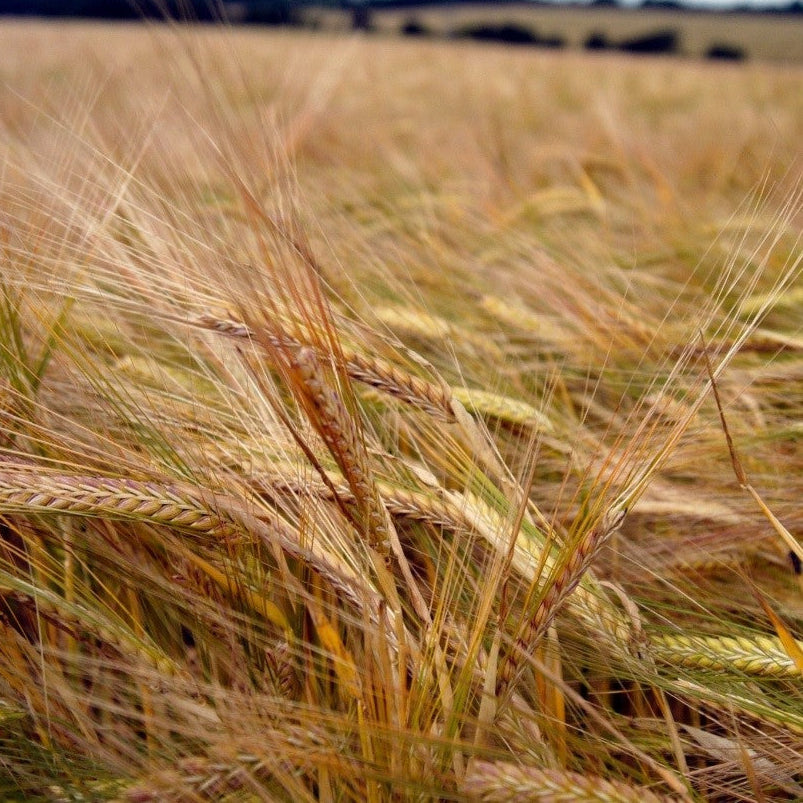
Floor-Malted Heritage and Landrace Barley - Texture, at the expense of yield.
My whisky is still young, but the fatness and weight of the spirit are clear from using older barley varieties like Plumage Archer, Maris Otter and Chevalier. I can’t decide which I prefer from these, but I am certain that older heritage and landrace varieties over modern varieties are worth the
extra cost.
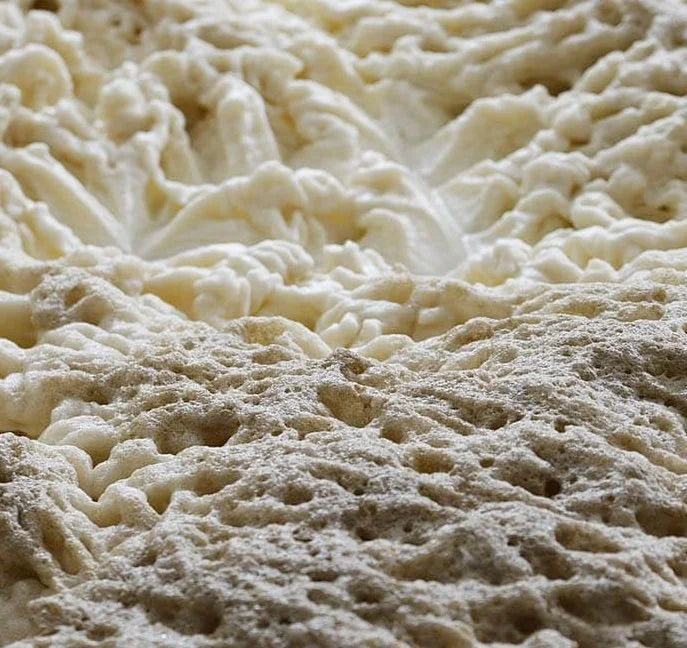
Brewers' Yeasts - Complexity at the expense of efficiency.
I have decided not to focus on one single brewer's yeast; it’s a bit like your children: you really can’t choose a favourite, but you know for certain that the long, gentle fermentation produced by brewers’ yeast rather than more efficient distillers’ yeast is an essential choice for me. It takes longer and is more expensive for my business, but it is clear to me how ‘old-style’ yeasts make the final spirit sing. It takes time to ferment certain flavours that I want, and I am happy to wait.
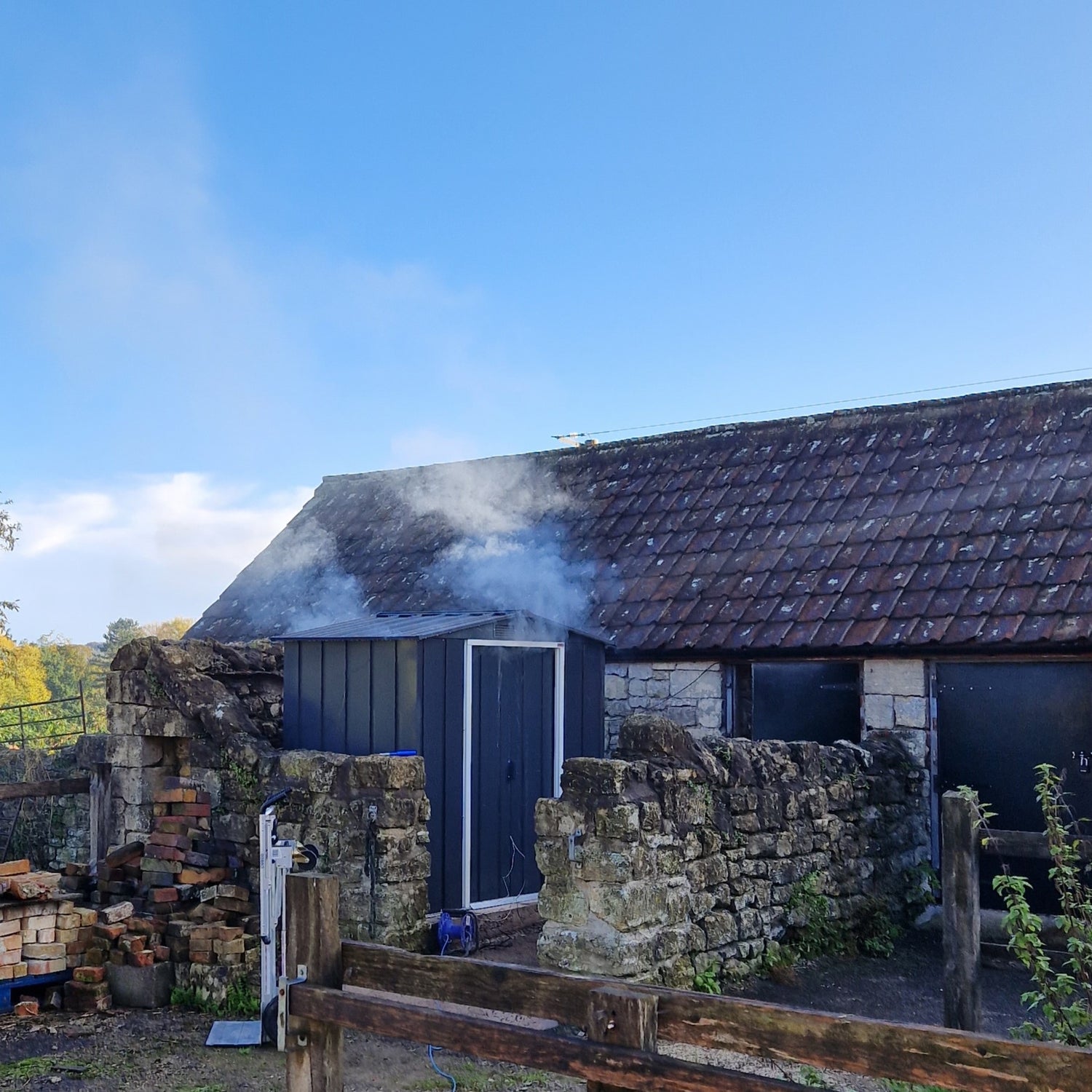
Mindful Smoke - Smoky flavour comes with responsibility.
This element took the longest to settle on. I have access to one of the last working and licensed peat bogs in England, and have been making smoked whisky using Somerset peat. As a whisky fan, I am tremendously excited by the flavour opportunities, but as an environmentally conscious distillery owner, I know this cannot continue. I have finally found our long-term solution to the peat problem, with a locally significant source of smoke that works beautifully - Applewood.

Me and My Kit - Owning Up To ‘The Rich Factor’.
Direct-fired stills and my homemade smoking system gives me the ultimate creative control over the final product. As I make my recipe more consistent, the Maillard effect from direct firing and the inherent variability of in-house smoking will give Retribution Whisky more than enough batch-to-batch diversity. I have learned that there is a ‘Rich Factor’. I, Richard Lock, make a difference. I can’t have off days, as mastery of the manual equipment and processes I have chosen is essential. I can get better and better at making whisky, even when I focus on a certain set of variables.